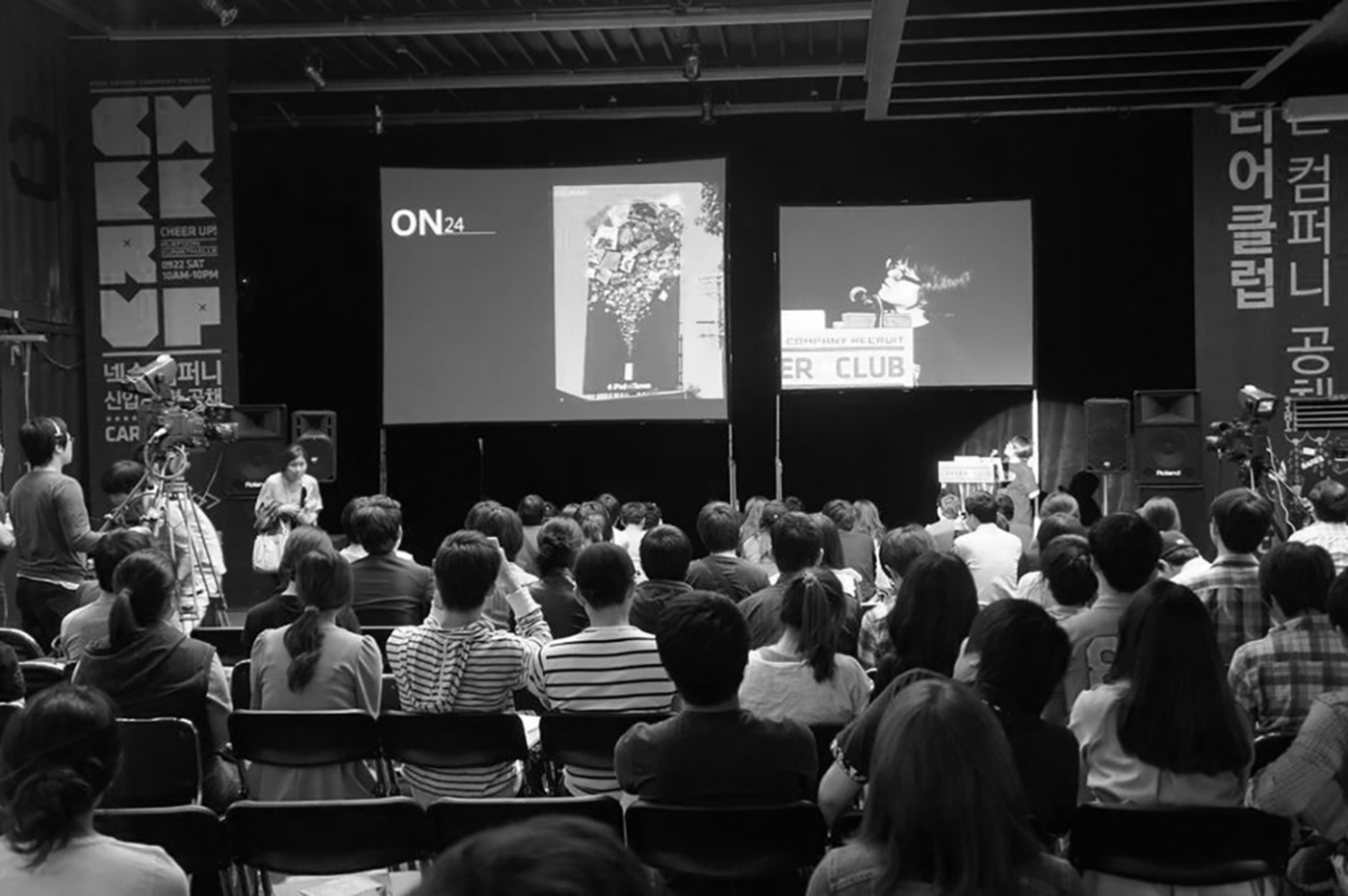
‘유저환경과 호흡하는 게임 UX’ 강연 [ Nexon 2012. 쿤스트할레 ]
The environment that we experience has a very close connection with the development process of information media.
As time progresses and information media develops, the spread of print technology and information technology led to the appearance of media such as newspaper, magazines, radio and television, allowing information to spread quicker and wider. The spread of internet and development of network environment changed the flow of information which used to be one-way, and allowed for both-way or multiple-way flows. Today, we have entered an era where individuals are the subjects of information media. Social Network has greatly contributed to the establishment of such environment, and futurists predict that in the near future, a pattern of custom-made information finding target users will develop. Methods of human information intake is increasingly escaping the physical sphere and changing according to the users’ will.
Today we live in a sea of information. Apple’s Ipod advertisement is a very good example of visual representation of ‘information’ as we experience it. We call these days the age of TUX in which we can experience fathoms of information within a device, a platform, a frame. In the multi-platform environment where there is no limits of time or space, all users have become the subject of economic activity.
Let’s imagine a scene at a café. People will drink coffee while listening to music, writing reports or shopping on their smartphones and laptops. It’s a very quotidian scene that’s not difficult to picture at all – and in it are three important trends that represent the world today.
The first is the expansion of communication space.
One key influence on the expansion of communication space is Starbucks. Starbucks set off the take-out culture in Korea. A café is essentially a communal space, and Starbucks expanded that space to beyond their café walls. They commercialized coffee which was merely a commodity as a cultural symbol. It also achieved huge success in localization by integrating the local environment and traditional culture into the space designing. Another case study of expansion of communication space is the subway door. It can be noticed that the gates needed for transfer is gradually reduced, reflecting the human tendency to get rid of unnecessary hurdles. Such movements are similarly taking place in the online environment.
The second is the change in people’s time of activity.
Sleepless people.
One most influential factor was Apple. Their brand leads the market, armed with iphones. They have established an open market through i-tunes, and anyone can participate in a commercial exchange after undergoing a verification procedure. The reason they could grow to exert such cultural influence beyond a device and a platform owes to their marketing focus on ‘the interaction between people’. On March 2nd, 2011, at 10 a.m., Steve Jobs said at the press conference introducing ipad2, that the product had to go to the users and the combination of technology and arts was the key component constructing the DNA of Apple. The humanities itself is an academia about people. Apple’s marketing point focused on satisfying people’s sensitivity with interaction between people, consideration and attention before they introduced new technology like touch screens or the completeness of a product.
Understanding humans
And expressing
the values of a period
with balanced beauty.
In an Apple advertisement, the product is not shown. Even in the advertisement, the value of ‘interaction between people’ is entailed.
Lastly, the third trend that represents today is music.
Music is the sound most familiar to a human ear and a greatly influential factor on human emotions. As such, the communal emotions that music gives overcomes language, race and ideology. The first product that Apple placed on their online open market, itunes, was music. Similar to the development of information media, music is also becoming a social code in which mutual interaction takes place with active participation of users, not just a one-way appreciation. User-participation music programs makes the watcher feel admiration and at the same time, assimilation, when they see an average person singing like professional musicians on stage. That is because the singer on stage is just an ordinary person, just like me. In some ways, it may be obvious that emotional mutual interaction is being amplified.
Emotions rule the world these days.
There are technology that combines the six senses: five senses which humans possess -sight, smell, taste, sound, touch- and the rising star, emotions. Multi-touch, TUI or haptic technology, when they are commercialized, cannot easily be distinguished. The important thing is to pay more attention to how to satisfy people’s hidden needs and get closer to people’s emotions.
The series of activities in which humans recognize objects through their senses, is called experience. The device needed for mutual interaction between humans and the objects is called UI (user interface). Materializing such interaction device is called GUI (graphic user interface) and user experience refers to all experience in which the subject of a particular object or product is the user. We design user experiences so that we can produce an upgrade stage of user experience, and the development of tools and history of humanity flows together. That is part of HX (human experience) and human experience ultimately becomes the history of humanity.
Designing user interface does not only aim to improve convenience or usability of the objects. The ultimate goal is to make human life diverse and valuable.
There are two keywords for the success of a game.
The first is immersion.
‘Immersion’ greatly influences the fun of the game. When going through the experience processor of achieving a certain goal in a game, people experience the climax of immersion right before the goal is achieved. Whether they successfully complete the mission and move onto the next stage, or they try again, their behavioral pattern is greatly dependent on that feeling.
The second keyword is globalization.
There are three factors needed for game globalization. The first is expandability: the ability to adapt to quick-changing global trends or create new trends. The second is increasing work efficiency and improving localization, paying attention to the global service. The third factor is that when the previous two conditions have been satisfied, the game needs to form an identity of its own and become a genre of art.
We see the world through frames. It is our task, working in the gaming industry in Korea, to understand the user interface and build a frame that fits into the world.
![[29]](https://gameuxdesigns.com/wp-content/uploads/2018/03/29.png?w=736)
우리들이 경험하고 있는 환경은 정보매체 진화과정과 밀접한 관련이 있다.
시대의 흐름에 따른 정보매체의 진화 과정을 보더라도 인쇄술의 보급과 통신기술의 확산으로 신문이나 잡지, 라디오, 텔레비전과 같은 매체가 등장하게 되면서 정보는 보다 신속하고 광범위한 지역으로 확산되었다. 그리고 인터넷의 보급과 네트웍 환경의 발달은 매체를 통해 일방적으로 전달되던 예전과는 달리 양방 혹은 다방향으로 정보의 흐름을 바꾸어 놓았고 오늘날에는 개개인이 정보매체의 주체가 되는 시대로 돌입하였다. 쇼셜네트워크는 이러한 환경을 구축하는데 큰 역할을 하였고, 가까운 미래에는 맞춤형 정보가 타켓 사용자를 찾아가는 패턴으로 이동할 것이라고 미래전문가들은 예측한다. 시대가 지날수록 인간의 정보습득 방식은 점차 물리적 환경의 영향에서 벗어나서 사용자의 의지로 바뀌어간다.
오늘날 우리들은 망망대해와 같은 정보의 바다에서 살고 있다. 애플의 아이팟 광고는 오늘날 우리가 경험하는 ‘정보’라는 것에 대해 가장 시각적이면서 직관적으로 보여주는 좋은 사례이기도 하다. 하나의 디바이스, 하나의 플랫폼, 하나의 프레임 안에서도 무궁무진하게 수많은 정보들을 경험하는 오늘날을 우리는 TUX의 시대라고 말한다. 시공간의 제약이 오픈되어 있는 멀티플랫폼 환경에서 오늘날 모든 사용자들은 경제활동의 주체가 되었다.
우리가 쉽게 접할 수 있는 카페의 한 풍경을 상상해보자. 커피를 마시면서 스마트폰이나 이동형 데스크탑으로 음악을 듣거나 리포트를 작성하거나 쇼핑을 하기도 한다. 이러한 너무나도 보편적이고 일상적인 풍경엔 중요한 오늘날을 대표하는 트랜드 3가지가 숨어 있다.
그 첫번째는 소통공간의 확장이다.
소통공간의 확장에 지대한 영향을 준 것 중 하나가 바로 스타벅스다. 스타벅스는 우리나라에 테이크아웃 문화를 정착시킨 중요한 카페문화이다. 카페는 기본적으로 커뮤니티를 목적으로하는 공간인데 스타벅스는 여기에 더해 매장 안에서 밖으로 커뮤니티 공간을 확장시켜 나갔고, ‘커피’라고 하는 하나의 기호식품을 커피 이상의 경험디자인으로서 문화적인 상징물로 상격화시켰다 해도 과언이 아닐 것이다. 또한 지역의 환경과 전통적 문화를 존중한 공간디자인으로 세계 각국, 각 지역의 현지화에도 상당한 성공을 이루어냈다. 소통공간의 확장에 대한 또 다른 예로 지하철문의 역사를 들 수 있다. 이동에 필요한 게이트가 점점 사라져가는 것을 볼 수 있는데 진행과정에서 불필요한 허드는 과감하게 버린다는 오늘날 우리들의 습성을 고스란히 보여주는 예이기도 하다. 눈에 보이지 않는 온라인에서도 이러한 생태계의 변화는 유사하게 일어나고 있다.
그리고 두번째 트랜드는 활동시간대의 변화이다.
잠들지 않는 사람들.
이것에 가장 큰 영향을 준 요소는 바로 애플이다. 애플은 아이폰이라고 하는 거대한 무기를 들고 시장주도적인 브랜드를 양성해 오고 있다. 또한 i-tunes를 통해 누구나가 일정한 인증절차만 거치면 상거래를 할 수 있도록 온라인 상에 오픈마켓 시장을 구축하였다. 이렇게 디바이스 / 플랫폼 이상의 문화적인 영향력을 가지며 성장할 수 있었던 것에는 바로 ‘사람과 사람과의 교감’이라고 하는 애플의 마케팅 포인트가 중요한 작용을 하였다. 2011년 3월 2일 오전 10시, ipad2를 소개하는 기자회견장에서 스티브 잡스는 제품이 사용자에게 다가가야 하며, 기술과 인문학의 결합이 애플의 DNA를 구성하는 중요한 요소라고 이야기한다. 인문학은 본질자체가 사람에 대한 학문이기도 하다. 제품으로서의 완성도나 ‘터치’라는 신기술의 도입이전에 사람에 대한 관심과 배려, 그리고 사람과 사람 사이의 교감이라고 하는 것이 사람들의 감성을 충족시켜줄 수 있었던 애플의 중요한 마케팅 포인트가 된 것이다.
인간을 이해하고
시대적 가치를
절제된 아름다움으로
표현한다.
애플의 제품광고엔 제품이 보이지 않는다. 이미 광고에서부터 제품이면에 ‘사람과 사람 사이의 교감’이라는 키워드가 내재되어 있는 것이다.
마지막으로 오늘날을 대표하는 트랜드 3번째가 바로 음악입니다.
음악은 사람의 귀에 가장 익숙한 소리이면서 인간의 감성에 지대한 영향을 주는 요소 중 하나이다. 그만큼 음악이 주는 교감은 언어나 인종, 이념을 뛰어넘는 감동이다. 애플도 아이툰즈를 통해 가장 먼저 온라인 오픈마켓의 상품으로 내걸었던 것이 바로 ‘음악’이다. 정보매체의 진화과정이 그러했듯 이제는 음악도 단방향으로 뿌려지는 대로 듣고 감상하는 것이 아니라, 유저들의 적극적인 참여로 상호 인터렉션이 일어나는 소셜코드가 되어가고 있다. 이러한 유저 참여 음악 프로그램을 보면 스타가 아닌 일반인도 저런 무대에서 마치 기성의 뮤지션들처럼 포퍼먼스를 이루어낼 수 있다는 것에 대한 동경과 더불어 그 출연자들로부터 묘한 동질감을 느낄 수 있는데 그 이유는 출연자 역시 나와 같은 불특정 다수의 일반인이기 때문이다. 그만큼 감성적인 상호작용이 증폭되는 것은 어찌 보면 당연할지도 모른다.
이제는 감성이 세상을 지배하는 시대이다.
인간이 가지고 있는 감각영역 중 시각, 청각, 미각, 후각, 촉각과 같은 말초신경계와 관련된 감각기관과 더불어 특히 오늘날 각광받고 있는 감성이라는 영역을 포함한 6감을 융합한 기술들이 있다. 멀티터치나 TUI 혹은 햅틱기술 같은 것들은 실용화되었을 때 기술들간의 경계면이 명확하지는 않다. 중요한 건 인간의 감성에 더욱 다가가고 눈에 보이지 않는 숨은 니즈(needs)를 충족시켜줄 수 있는지에 더 관심을 가지는 것뿐이다.
인간의 육감을 통해 사물을 인지하는 일련의 활동을 ‘경험(Experience)이라고 한다. 그리고 인간과 사물간의 상호작용에 필요한 장치를 UI(User Interface),혹은 사용자 환경이라고 한다. 이러한 인터렉션 장치를 눈에 보이도록 구체화한 것을 GUI(Graphic User Interface)라고 하고 사용자 경험(User Experience)은 특정 오브젝트나 제품의 주체가 ‘사용자’일 경우 이루어지는 모든 경험을 말한다. 우리는 보다 진화된 단계의 사용자 경험을 위해서 사용자 경험 설계를 하며, 도구의 발달 과정과 인류의 역사는 그 맥을 함께 한다. 그것은 인간경험(HX-Human Experience)의 일부이며, 인간 경험은 총체적으로 인류의 역사가 되는 것이다.
사용자 환경을 디자인 하는 것은 단순히 오브젝트에 대한 편의성이나 사용성을 개선하는데 목적이 있는 것은 아니다. 편리한 사용을 위한 노력도 결국 인간의 삶을 유익하고 이롭게 만들려는 것이 궁극적인 목표이다.
게임을 성공시키는 키워드는 2가지이다.
성공하는 게임의 첫번째 키워드는 바로 ‘몰입’이라는 요소이다.
‘몰입’이란 장치는 게임의 재미적인 요소에 큰 영향을 준다. 게임에서 일정한 목표를 둔 경험프로세서를 진행할 때 자기목표를 달성하기 바로 직전에 몰입의 절정을 경험한다고 한다. 미션을 성공해서 자기목표를 달성한 후 보다 업그레이드된 경험단계로 진입을 하든 자기목표 달성을 실패한 후 재도전의 과정을 겪더라도 몰입의 절정에서 경험한 감성적인 느낌은 추후 사용자들의 행동패턴에 매우 중요한 작용을 하게 된다.
성공하는 게임의 두번째 키워드는 바로 ‘세계화’다.
게임 세계화에 필요한 요소는 크게 3가지로 본다. 첫번째는 발빠르게 변화하는 세계적인 트랜드에 적응하거나 혹은 트랜드를 만들어 갈 수 있는 확장성이고. 두번째는 업무효율성 증대와 최적의 현지화로 개발한 게임이 잘 안착할 수 있도록 글로벌 서비스에 힘써야 한다는 것이며, 마지막으로 세번째는 이 모든 것이 충족되었을 때 게임도 하나의 예술장르로서 충분한 자격은 얻고 그것 자체로서 훌륭한 아이덴티티를 확립할 수 있어야 한다는 것이다.
세상을 바라보는 시각을 프레임이라고 한다. 오늘날 유저환경을 잘 이해하고 세상과 어우러지는 올바른 프레임을 함께 만들어 나가는 것이 현재 대한민국에서 게임업을 하며 살아가는 우리들의 과제일 것이라고 생각한다.
인간 / Human Communication – 다름에 대한 이해와 공통점 모색
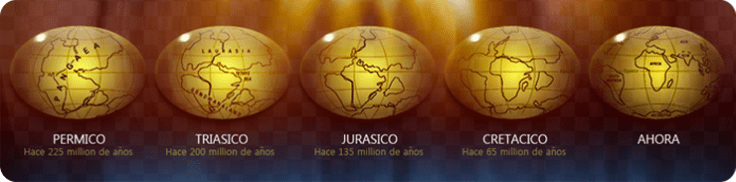
위의 그림은 독일의 과학자 베게너가 주장했던 ‘대륙이동설’을 시각화한 자료입니다. 대륙이동설의 내용에 따르면, 지구의 역사는 지금으로부터 2억2천5백만 전으로 거슬러 올라가서 ‘판게아(PANGAEA)’라는 하나의 커다란 대륙에서부터 시작하여 총5단계의 대규모 지각변동을 통해 오늘날 5대양 6대주의 형태를 이루었다고 합니다.
그 이후 생명체가 발생한 것은 대략 45억년전이고, 인류는 그보다도 훨씬 후인 지금으로부터 100만년 전에, 그것도 현생인류와 가장 유사한 ‘호모 사피엔스’로 그 존재의 서막을 알렸습니다. 지구의 대규모 지각변동 과정과 인류의 진화시기는 동시대에 함께 이루어진 것도 아닐뿐더러 직접적인 개연성은 없지만 대륙의 위치에 따른 생태계 모습은 상당히 많은 차이점이 있는 것을 우리는 익히 알고 있습니다.
다른 환경과 기후, 다른 토양, 다른 서식 생물 등은 인간의 진화에 지대한 영향을 주고 있다는 것은 분명한 사실일 것입니다.
인류의 생물학적인 종(種)의 근원은 같더라도 이러한 환경적인 요인으로 인간의 신체적, 정신적 차별화된 진화는 거듭나고 있습니다. 인간의 후두부엔 인지와 관련된 기능을 주로 하는 뇌의 영역이 있습니다. 뇌가 어떤 사진이나 그림을 보고 사물의 형태와 경계를 인지할 때 이 부분이 작용해 사물에 대한 해석을 내리는데 동양인 같은 경우엔 사물을 개별적으로 인식하는 뇌의 영역이 서양인에 비해 크게 활성화되지 않는다는 통계적인 분석결과가 있습니다. 그래서 개별 사물을 분석하는 것보다는 사물을 둘러싼 환경과 사물간의 관계 및 상황에 대해 판단하는 능력이 발달하게 되었고, 이러한 신체적인 차이에 따른 인지능력의 차별적인 발달과정은 동서양인을 구분짓는 특성이 되었습니다.
 Cho Jung Eun